A Guide to Stock Platforms That Welcome AI-Created Visuals

As artificial intelligence continues to reshape the creative landscape, stock image platforms are adapting to accommodate this technological shift. The rise of generative tools has made it easier than ever for designers, photographers, and digital artists to produce stunning visuals with the help of machine learning. From surreal compositions to photorealistic renderings, AI-generated content is quickly becoming a fixture in stock libraries across the internet.
This guide explores how stock platforms are responding to this evolution, where contributors can submit their AI-created works, and what buyers should know when licensing these assets. Whether you're an artist experimenting with generative models or a brand seeking futuristic visuals, understanding which platforms support this type of content is crucial.
Let’s begin by unpacking how AI-generated content fits into the broader world of stock photography and illustration.

Introduction to AI-Created Visuals in Stock Platforms
AI-generated images are created using algorithms trained on vast datasets of visual content. Tools like DALL·E, Midjourney, and Stable Diffusion allow users to generate original artworks or photographs simply by describing them in text prompts. This technology has opened up new possibilities for stock content creators by lowering the barrier to entry and accelerating the pace of content production.
Stock platforms, which traditionally hosted photographs, vectors, and illustrations made by human creators, have started to make room for this new category. However, acceptance of machine-generated images varies widely. Some platforms openly embrace them, while others restrict or carefully moderate their inclusion to ensure legal compliance and artistic integrity.
The key consideration for most agencies is whether the generated content meets licensing, originality, and quality standards. AI-generated works can raise questions around copyright ownership—particularly if the models were trained on copyrighted material. For this reason, platforms that accept AI art typically require contributors to confirm that their uploads were generated using legally compliant tools and that they hold commercial rights.
From a buyer's perspective, AI-generated visuals can be useful in representing abstract ideas, future tech, or niche concepts that are difficult or expensive to stage in traditional photography. But knowing how these visuals are categorized, tagged, and disclosed on stock sites helps maintain trust and transparency in the licensing process.
Understanding this context is key before exploring the benefits of integrating AI visuals into your creative workflow.

Benefits of Using AI-Generated Visuals in Stock Platforms
The growing inclusion of AI-generated visuals on stock platforms offers several key advantages for both contributors and content buyers. These benefits span creative freedom, speed of production, and access to imaginative visuals that were previously hard to come by.
For contributors, AI tools serve as creative assistants that can dramatically reduce production time. Instead of organizing photoshoots or spending hours designing digital illustrations from scratch, artists can produce high-resolution images within minutes. This efficiency enables them to upload content more frequently and experiment with styles or concepts that may not be feasible through traditional methods. It also allows solo creators with limited resources to compete with large-scale studios in terms of output and variety.
Buyers, on the other hand, gain access to a broader range of visual content. AI-generated images can depict scenarios that are rare, futuristic, surreal, or otherwise impossible to photograph—such as a cityscape on Mars, a cybernetic animal, or a hyper-realistic rendering of an extinct creature. For marketing teams, tech companies, and science-fiction-oriented projects, this unlocks fresh visual storytelling possibilities.
Other benefits include:
- Customization potential: AI art can be re-generated or fine-tuned to fit a brand’s aesthetic or campaign message.
- Cost-effectiveness: Without the need for expensive photoshoots or graphic designers, AI visuals can be a budget-friendly option for startups and freelancers.
- Consistency in style: Once trained or prompted properly, AI can create a cohesive series of images, which is especially useful for product lines or serialized content needs.
That said, these advantages also require a careful balance between innovation and ethical use—a subject stock platforms are addressing more formally with guidelines and AI-specific policies.
Now that we’ve examined the advantages, let’s explore which stock platforms currently support these emerging forms of content.
Top Stock Platforms That Welcome AI-Created Visuals
As the demand for machine-generated content grows, several leading stock platforms have updated their policies to either welcome or regulate AI-created visuals. While not all stock agencies are equally enthusiastic, a handful have emerged as front-runners in accepting and promoting content generated by artificial intelligence—provided it adheres to quality and legal standards.
Here are some of the most notable platforms embracing this shift:
Shutterstock
Shutterstock takes a dual approach. It has both integrated OpenAI’s DALL·E model directly into its platform for buyers to generate images on demand and allowed contributors to upload AI-made visuals. However, contributors must properly label the content and meet Shutterstock’s quality, originality, and licensing guidelines. The platform also offers revenue-sharing for artists whose works were used in training AI models, positioning itself as a leader in ethical AI adoption.
iStock by Getty Images

While Getty Images itself has banned the submission of AI-generated visuals due to unresolved copyright and training data concerns, iStock—its sister platform—has taken a more flexible route. iStock permits some AI-generated content, particularly if it meets strict criteria and is submitted with proper disclosures. Artists should be cautious and review platform-specific terms before uploading.
Adobe Stock
Adobe Stock was among the first major platforms to officially allow AI-generated images, under specific conditions. Contributors must tag their content with “Generative AI” and verify that the visuals were created using tools legally permitted for commercial use. Adobe also requires contributors to ensure their content doesn’t infringe on intellectual property, mimic real individuals without consent, or replicate copyrighted styles. This policy makes Adobe Stock a safe and structured place for submitting AI artwork.
These platforms vary in how they handle AI content, but they all share a common thread: transparency, legal clarity, and high standards of quality. If you’re considering contributing AI-generated visuals, choosing a platform with clear policies and contributor support is essential.
Next, let’s look at how you can create and upload AI visuals successfully on these stock sites.
Tips for Creating and Uploading AI-Generated Visuals on Stock Platforms
Producing AI-generated images that stand out and meet stock platform requirements takes more than just prompting a tool and hitting export. Whether you’re aiming to generate passive income or build a strong digital portfolio, careful attention to image quality, originality, and metadata is key to success.
1. Choose Ethical and Compliant Tools
Before you begin, verify that the AI model you’re using allows commercial use. Tools like Midjourney, DALL·E, and Adobe Firefly offer clearer licensing structures compared to open-source models trained on questionable datasets. Always read the terms of service and ensure the output is eligible for stock licensing.
2. Focus on Quality and Resolution
Stock platforms typically require images to meet minimum resolution thresholds—often around 4 MP or higher. AI tools sometimes introduce visual artifacts, warped anatomy, or inconsistent lighting. Post-process your images in Photoshop or Lightroom to fix these issues before uploading. Look out for common errors such as distorted hands, duplicated limbs, or text artifacts.
3. Tag and Describe Accurately
Most platforms now ask contributors to tag AI-generated content as such. Beyond this, strong keywording is essential for visibility. Include relevant subject terms, emotions, styles, and color tones. For example, instead of simply tagging “dog,” consider “surreal robotic dog in neon city at night.”
4. Avoid Restricted Themes
Steer clear of visuals that replicate celebrity likenesses, mimic branded designs, or depict sensitive social or political themes unless fully fictionalized. Many platforms ban these outright. If your content includes realistic people, make sure they don’t resemble identifiable individuals.
5. Diversify Your Uploads
Don’t rely on a single image or style. Stock libraries value variety. Upload series based on themes—such as futuristic architecture, AI-generated wildlife, or conceptual workplace scenes. This improves your chances of licensing across different buyer needs.
6. Monitor Platform Guidelines
Stock sites continue to refine their AI policies. Stay up to date with contributor FAQs and community forums to ensure your submissions remain compliant. Even small rule changes (e.g., new metadata tags or consent requirements) can affect your approval rate.
Following these practices ensures that your AI-generated content not only gets accepted but also stands out in increasingly competitive stock marketplaces.
As AI tools evolve, contributors who stay informed and strategic will be best positioned to grow with the trend. Let’s wrap up with a look at where this technology is headed and what it means for visual content creation going forward.
Future Trends and Advancements in AI Technology for Visual Content Creation on Stock Platforms
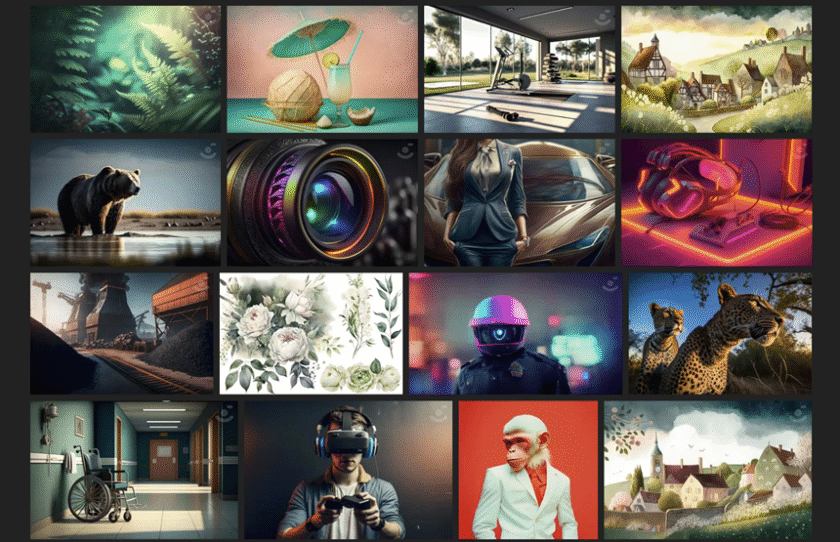
The rapid evolution of AI is not only reshaping how visuals are created but also redefining the business models and expectations within the stock photography industry. As both technology and policy mature, we can expect to see sweeping changes that affect contributors, buyers, and platforms alike.
One major development on the horizon is the refinement of generative models. AI tools are already becoming more sophisticated, producing hyper-realistic images with fewer distortions and greater control over style, mood, and composition. This will likely reduce the need for heavy post-editing and make the content even more competitive with traditional photography.
We’re also likely to see integrated AI tools within stock platforms themselves. Shutterstock has already paved the way with in-platform generation via DALL·E, allowing users to produce images on the fly. Other agencies may follow suit, merging search with generation so buyers can create visuals based on precise needs rather than browsing existing libraries.
As AI improves, expect a shift toward personalized stock content. Platforms could offer subscription models where users input brand guidelines or aesthetic preferences, and the system generates content batches tailored to them. This blurs the line between stock media and custom design, giving small businesses access to visuals that once required dedicated designers or photographers.
From a contributor standpoint, metadata automation will become more common. Tagging and captioning images—a traditionally tedious process—may be handled by AI, speeding up the upload workflow and improving discoverability through semantic search optimization.
Ethically, we’ll also witness more transparent labeling and licensing standards, especially as governments and legal bodies begin to regulate the use and disclosure of synthetic media. Watermarks or metadata tags may become standard for all AI-generated content to distinguish it clearly from human-made visuals.
Stock platforms will continue balancing creative freedom and commercial responsibility, ensuring that AI-generated assets meet market needs without compromising trust, originality, or legal clarity.
Final Thoughts
AI-generated visuals are no longer on the fringes—they’re quickly becoming a central part of the stock media landscape. For contributors, this means a new frontier of opportunity. For buyers, it means greater access to visuals that are imaginative, flexible, and budget-friendly. And for platforms, it signals the beginning of a new era in content curation and licensing.
By staying informed, using ethical tools, and adapting to evolving guidelines, creators and marketers alike can embrace this transformation with confidence.