

The Significance of Inclusive Imagery in Stock Photography

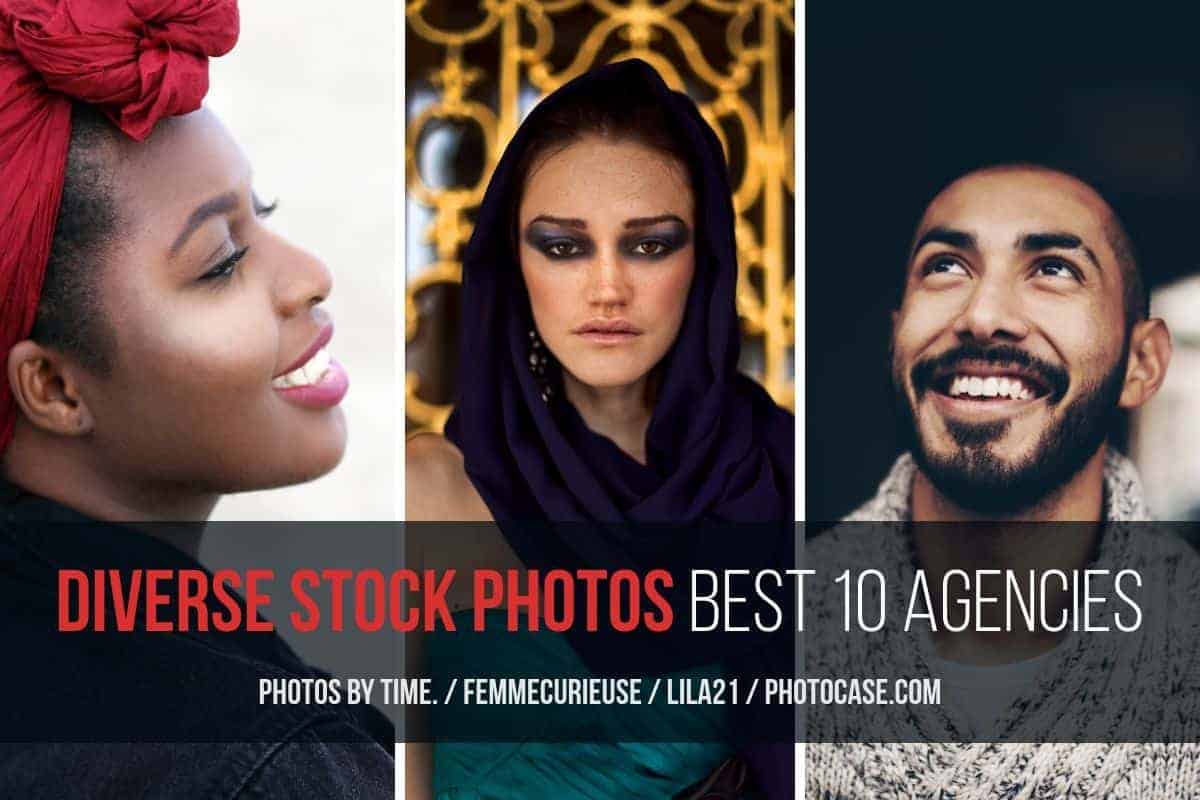
In our interconnected world, visual content is a powerful storyteller. Image libraries have transformed from uniform portrayals to vibrant tapestries of culture, race, gender, and lifestyle diversity. Today’s brands and creators aim to capture this rich human tapestry in their visuals, understanding that genuine representation not only enhances aesthetics but also forges deeper connections and trust.
Inclusive visual content is a powerful force shaping reality. It challenges perceptions, drives cultural change, and creates a sense of belonging for the overlooked. As social justice awareness grows, visuals that reflect these values become essential to impactful media strategies.
Benefits of using inclusive imagery in stock photography
Embracing a wider range of representation in creative assets offers numerous advantages. It fosters trust with diverse audiences, enhances relatability, and strengthens brand authenticity. Companies that prioritize inclusivity in their visual content are often perceived as more progressive, socially aware, and people-centric.
Marketers leveraging inclusive visuals often witness a surge in engagement. Diverse imagery captivates viewers, sparking longer visits, more shares, and deeper emotional bonds. This strategy broadens appeal across demographics while maintaining loyalty among existing audiences.
How to choose inclusive images for your projects
Choose images that capture genuine interactions, cultural depth, and authentic contexts. Avoid tokenism by selecting photos that feel real and intentional, steering clear of staged or stereotypical portrayals.
Consider diverse variables—age, ability, body type, gender identity, race, and socioeconomic background. Evaluate if the visuals align with your messaging and audience expectations. Many top stock agencies now curate specialized collections to make this process easier.
Leading platforms offering inclusive visual assets:

StockPhotos.com: Offers an affordable library emphasizing authentic moments and lifestyle diversity.


Shutterstock: Hosts over 400 million assets with robust search tools and collections focused on inclusion and representation.

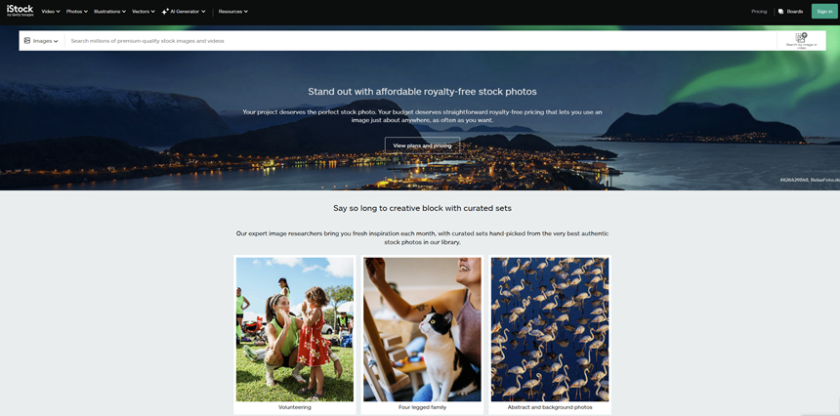
iStock: Features high-quality creative content, including its Signature collection, which highlights authentic and emotionally rich imagery.
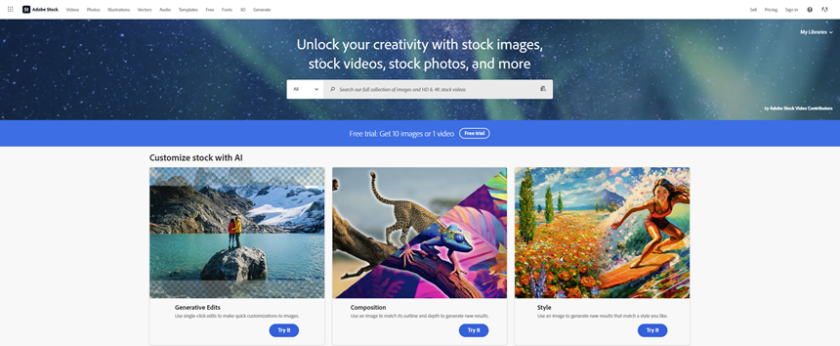
Adobe Stock: Known for its deep integration with Creative Cloud and a growing library of images celebrating real people in real contexts.

Impact of representation in visual content on diverse audiences
Visual media can shape how individuals see themselves—and how others perceive them. When underrepresented groups see themselves depicted in empowering or everyday situations, it reinforces identity, self-worth, and inclusion. It can challenge stereotypes, break down cultural barriers, and build empathy across differences.
Representation also impacts brand loyalty. Audiences are more likely to trust and support brands that acknowledge and include them in their storytelling. For historically marginalized communities, seeing accurate reflections in media is a form of validation and recognition that’s long overdue.
Challenges and limitations of incorporating inclusive imagery in stock photography
Despite progress, challenges remain. Stereotyping, tokenism, and limited availability of nuanced content continue to affect the quality of inclusive stock imagery. Often, certain demographics or intersections of identity are still underrepresented in mainstream collections.
Another challenge is balancing representation with authenticity. Overly curated images can feel inauthentic, undermining the intent to promote inclusion. Additionally, navigating cultural sensitivities and regional contexts requires a thoughtful approach to avoid unintentional misrepresentation.
Future trends and advancements in promoting diversity through visual media
The visual media world is rapidly transforming. Stock agencies now team up with diverse photographers, models, and communities to craft vibrant, authentic content. Cutting-edge AI tools are emerging to help users pinpoint and organize inclusive assets with precision.
As demand surges, image libraries will dive deeper into intersectionality—capturing not just individuals but the rich tapestry of relationships, environments, and experiences. This future promises that everyone, no matter their background, will find themselves mirrored in the media landscape.




Awesome!!! Keep up the good work. I just need to ask is Tonl a good platform to submit my work related to African Diversity Photography?
Hi John, I can’t answer your question but if you want to get featured here please stop spamming my comments and get in touch with my like a nice person.
I was just trying to appreciate your work. Really sorry if you found anything wrong.
No problem John, I have also reached out to you twice without answer via email. Free to contact me there.