

Unlocking Success in Online Photography Sales

In today's digital age, photographers have unparalleled opportunities to showcase their photos and make money online. Whether you're a seasoned professional or an eager amateur, knowing how to effectively navigate the internet marketplace can greatly boost your success. This comprehensive guide will delve into practical strategies for promoting your photography as a business and connecting with potential customers, while also providing valuable tips and insights to help you thrive in this competitive industry.
Exploring the Online Photography Marketplace
Before delving into sales strategies, it's crucial to have a comprehensive understanding of the plethora of platforms available for photographers. The online market is incredibly diverse, offering options that cater to various audiences and requirements. Here are some essential avenues to explore:
- Stock Photography Platforms: Image licensing websites like Shutterstock, Adobe Stock, and Getty Images allow you to upload your images to their online store and earn royalties each time people buy one of them. They sell royalty-free licenses, enabling customers to use your content legally while you retain copyright ownership. These platforms are ideal for photographers looking to reach a broad audience.
- Print-on-Demand Services: Platforms such as Redbubble and Society6 enable you to sell prints and merchandise featuring your photography. This approach allows for a more personalized connection with customers who appreciate your work.
- Social Media Marketing: Utilizing platforms like Instagram and Pinterest can help you build a following and drive traffic to your sales pages. Engaging content and strategic hashtags can significantly increase your visibility.
Next, we give tips for beginners and potential earnings from selling photos.
Choosing the Right Platform for Your Photography
With numerous platforms available, selecting the right one for your photos and digital art work can be overwhelming. Here’s a breakdown of some popular places to sell your pictures, along with their pros and cons, to help make your decision:
| Platform | Pros | Royalty Rates |
|---|---|---|
| Shutterstock | Large audience reach Regular royalty payments | 15% to 40% |
| Adobe Stock | Integration with Adobe Creative Cloud Access to a creative audience | 33% |
| iStock | Can sell your images Exclusively or Not High curation standards | 15% to 40% |
| Getty Images | Visual platform ideal for photographers Direct engagement with followers | 20% |
Shutterstock
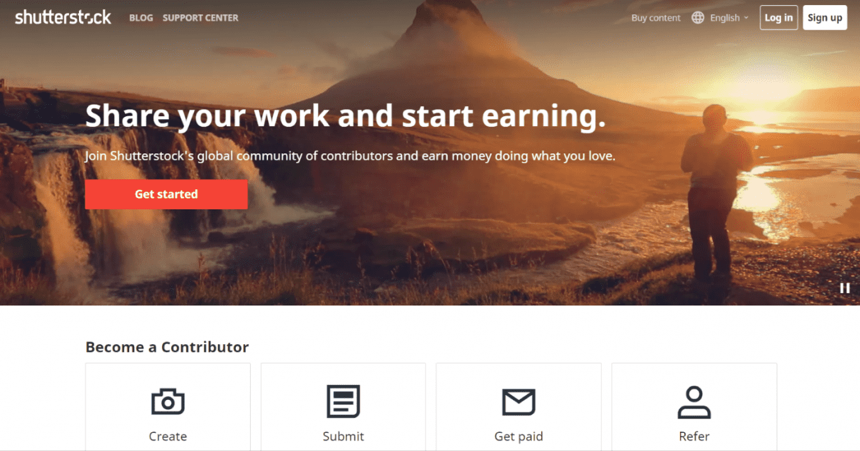
Shutterstock is a leading website in the stock photo industry, offering contributors global exposure and competitive earnings. The Contributor program features automatic keyword suggestions, real-time sales tracking, and a mobile app for easy management. Most submissions are approved within 24 hours, thanks to AI tools and expert reviewers.
Optimize visibility with descriptive titles and up to 50 keywords per image, while their computer vision tool tracks content trends. Contributors progress through six royalty levels (15%-40%) based on sales, with payouts starting at $35. Shutterstock has over 2 million contributors worldwide, offering vast opportunities for all skill levels. Explore more in our detailed review!.
Adobe Stock
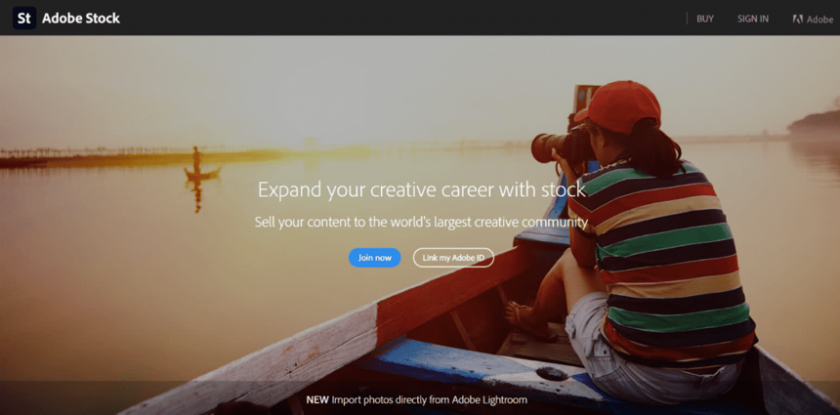
Adobe Stock, built on Fotolia's foundation, is a go-to platform for graphic designers and creatives. Seamlessly integrated with Adobe Creative Cloud, it allows contributors to sell edited work directly from tools like Photoshop, Illustrator, and Lightroom.
Features include AI-driven keywording, easy album imports, and Adobe Portfolio access. Manage files effortlessly with Lightroom or Bridge, and handle model releases within the Adobe ecosystem. Contributors get 33% royalties per image sold and receive annual bonuses for content used in generative AI training, including Adobe Firefly. Ready to turn your creativity into cash? Sign up as an Adobe Stock contributor today!
iStock and Getty Images
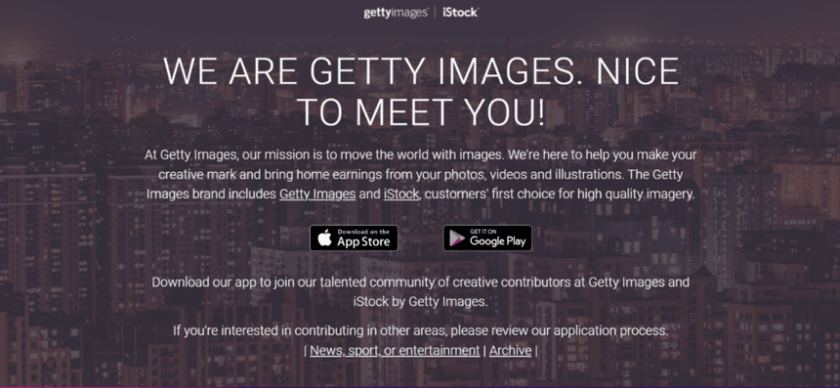
iStock, owned by Getty Images, offers contributors a path to sell exclusive, high-quality images. To join, use the Contributor by Getty Images app to submit 3-6 sample images. Approval could allow you to sell on iStock or Getty Images if your work is deemed suitable.
Non-exclusive contributors earn 15% royalties per sale on iStock, while exclusivity boosts earnings to 40%. On Getty Images, contributors are exclusive, earning a 20% royalty with higher payouts due to premium pricing. Start your journey today—sign up to become a contributor!
Effective Strategies for Marketing Your Photos
To successfully promote your work online, consider implementing the following strategies:
| Strategy | How-To | Benefits |
|---|---|---|
| Build a Strong Portfolio | Curate a selection of your best images that showcase your unique style and expertise. Ensure that your portfolio is visually appealing and easy to navigate. | Attracts potential buyers and establishes your brand identity. |
| Optimize for Search Engines | Incorporate relevant keywords and phrases naturally into your image descriptions and titles. Use alt text effectively to describe your images. | Enhances visibility in stock photo sites' search engine results, driving more traffic to your portfolio. |
| Engage with Your Audience | Interact with followers on social media and respond to inquiries promptly. Share behind-the-scenes content on a blog to create a personal connection. | Builds trust and fosters a loyal customer base. |
| Utilize Analytics Tools | Track which images perform best and adjust your strategy accordingly. Use insights to refine your marketing efforts and focus on high-demand subjects. | Informs your marketing efforts and helps you focus on high-demand subjects. |
Quick Tips for Aspiring Photographers
- Stay informed about photography trends and popular styles to keep your work relevant.
- Network with fellow photographers and industry professionals to expand your reach.
- Invest in high-quality equipment and editing software to enhance your image quality.
Key Considerations for Success
To maximize your success in selling photography online, keep the following points in mind:
- Quality Over Quantity: Focus on producing high-quality images that resonate with your target audience rather than flooding the market with mediocre work.
- Branding: Develop a strong personal brand that reflects your style and values. Consistency in your portfolio and marketing materials can help establish your identity.
- Networking: Connect with people, like other photographers, influencers, and potential clients. Collaborations can lead to new opportunities and increased visibility.
- Continuous Learning: Stay updated on industry trends, photography techniques, and marketing strategies. Online courses and workshops can be invaluable resources.
Conclusion
Successfully making money from your photo online requires a combination of creativity, strategic marketing, and an understanding of the platforms available. By choosing the right site, implementing effective marketing strategies, and continuously improving your skills, you can turn your passion for photography into a profitable venture. Remember, the journey may take time, but with persistence and dedication, you can achieve your goals.



That was really very informative . I am pleased with ease in exploring the world of stock photos.
It appears to be not worth the time and trouble to get involved selling photos.
Thank you for your personal comment. Some photographers seem to be still very successful with selling photos. But it certainly is not easy anymore.
Thank you! I am often asked by Nature related magazines and publications to purchase the rights for some of my photos. I find it time consuming to select pictures based on their requirements, wait for their response, sometimes do another search in my photo albums, to finally get a deal – maybe – and sometimes not at all. I would like to find the right company where I could upload my photos and direct my potential buyers to my portfolio so they can do their own research there. I don’t want to waste my time for sales that finally bring in very small amounts of money usually.
I am very happy to see my photos being used by organisations that care about nature as much as I do but it is too time consuming to do the work myself.
Any suggestions?
Hi Bourouba, if your intention is to have a middleman company handling the licensing process for you, obviously any of the agencies we listed in our article will work. Shutterstock, Adobe Stock, iStock and Getty Images are all highly professional companies, and once you’re accepted as a contributor you can easily build a portfolio and send the link to potential customers; the agencies handle/automate the whole buying process and cut a share of the sale price, you don’t have to do anything else. However, a few things to highlight:
-If you’re looking at making more money per sale of your images, then your best bet is Getty Images: the % you get per sale is higher here because their prices are higher too. Qualifying as a contributor for Getty Images can be harder to do than for the other agencies, though.
-At microstock agencies such as Shutterstock, Adobe Stock or iStock, you’ll make a lot less per sale (sometimes a sale only earns you a few cents), but you can potentially sell more (because of the low prices that attract more customers). This is a volume-based business.
-If you only want your photos to be used by organizations that care about nature as much as you do, then you would need to either continue managing licenses personally or find a tailored or niche agency solution. At Shutterstock, Adobe Stock, iStock or Getty Images (and at virtually any other stock photo site) your images can be downloaded and used by anyone. There are use terms they have to abide by, of course, that protect the integrity of your work. But you cannot filter or reject buyers.
Hope this helps!
Good article.
I started selling bird photos on Shutterstock in May 2022 and will give it until July 2023 to decide whether or not I will continue.
I find Shutterstock to be very user friendly and helpful, but I just can’t justify the time and effort it takes to make such trivial amounts of income.
In five months, I have earned $6.70. If things don’t improve, I am going to delete my account and concentrate on less volume, more quality, and selling my images via prints, possibly creating a book from my images, or simply just go back to taking photos for me not profit or an audience.
Hi Alan, thank you for sharing your experience so far, it’s very valuable info. The effort vs reward analysis is a very personal one, and that’s something we mention in our guide regarding deciding whether it’s worth it or not for each individual artist, and we understand the current earnings from only one agency might not justify the work it takes for you. This is also why a lot of contributors submit to several agencies simultaneously, as the pooled earnings can, optimistically, make it more worthwhile than those of only one site. But again, that’s a personal choice to make. Thanks again for sharing!