Affordable Alternatives to Shutterstock for Your Creative Needs

For creators, marketers, and designers alike, finding high-quality visuals at a sustainable cost is more important than ever. While Shutterstock has long been a go-to provider for professional-grade stock assets, its pricing structure can be a significant investment—especially for freelancers, startups, and small businesses. The good news is that there are several other platforms offering compelling content libraries, user-friendly features, and licensing flexibility—often at more accessible price points.
Exploring alternative stock platforms can open up a wide range of creative possibilities without compromising quality. Whether you’re producing social media content, designing promotional material, or enhancing a website, affordable image libraries now offer everything from high-resolution photos and illustrations to video clips and vector graphics. Many of these platforms also provide useful tools for integrating with design software, managing licenses, and collaborating across teams. Some even offer online editing features to streamline workflows.
This guide walks you through the most reliable substitutes available today, offering both value and variety. We’ll compare platform features, pricing options, and key benefits so you can make a well-informed decision for your creative workflow. From industry leaders with massive libraries to rising platforms with niche collections, there’s an ideal match for every project and budget. If you’ve used similar services in the past and found them lacking, the next generation of stock providers may surprise you.
TLDR; Consider using websites like StockPhotos.com, iStock, or Adobe Stock for high-quality stock images. These platforms offer a wide range of photos and graphics at low cost, making them great alternatives to more expensive stock image sites like Shutterstock.
Most Useful Affordable Alternatives to Shutterstock
Finding high-quality stock images without overspending is achievable through several reputable platforms. Below is an updated list of noteworthy alternatives, each offering unique features, competitive pricing, and expansive libraries tailored for creators on a budget.
1. StockPhotos.com
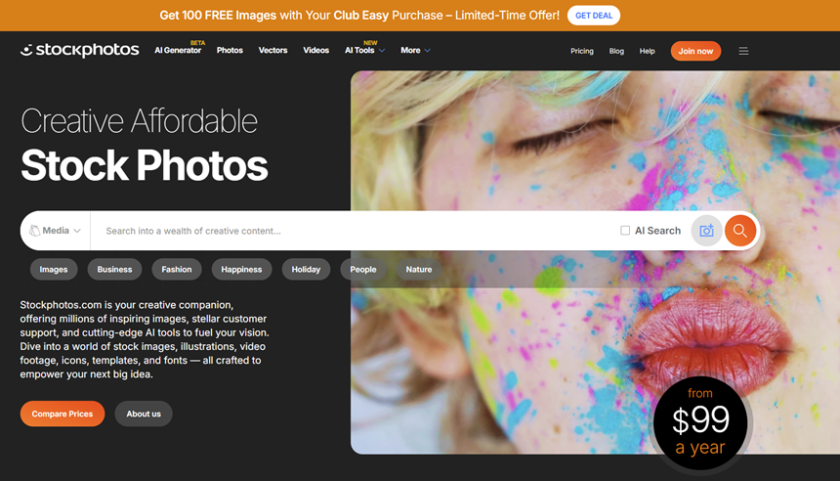
With over 12 million assets, StockPhotos.com provides photos, vectors, illustrations, and videos at an impressively low cost. Its standout feature is the “Club Easy” annual plan, which includes 200 downloads for just $79. This makes it one of the most economical options for creators who want a large number of downloads upfront at a flat rate.

2. iStock
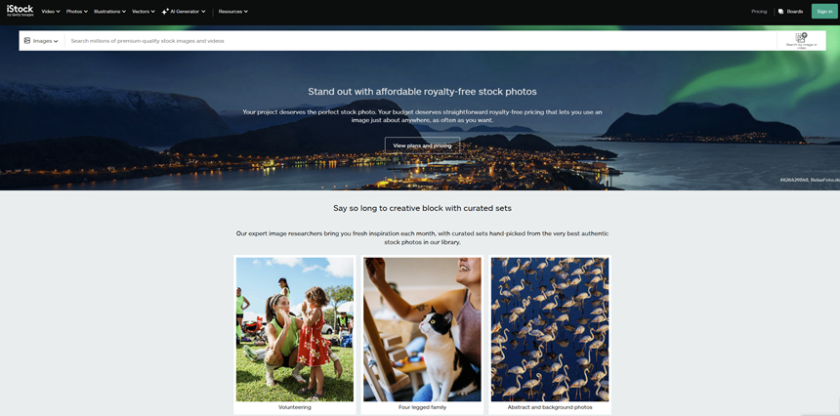
iStock, part of the Getty Images family, offers a broad library with millions of items including photos, vectors, illustrations, video, and audio. It provides a basic annual plan for $348, allowing 10 downloads per month. The platform’s flexible structure—splitting content into Essentials and Signature tiers—helps users better control both budget and quality.

3. Adobe Stock
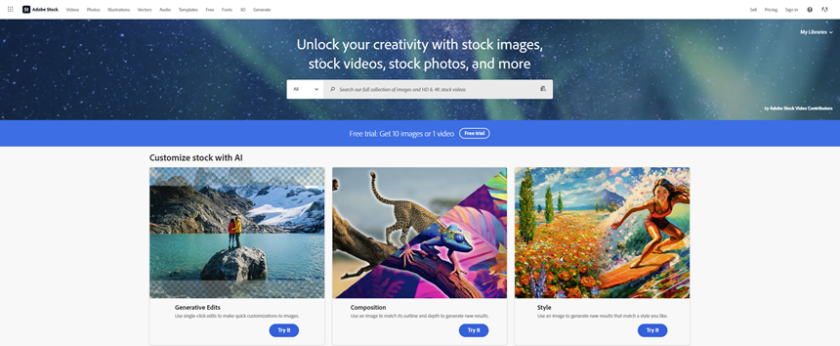
With a massive library of over 240 million assets, Adobe Stock is a professional-grade platform that integrates directly into Creative Cloud tools like Photoshop and Illustrator. Its annual plan offers 10 standard asset downloads per month for $359.88. The added benefit of rollover for unused downloads makes this ideal for consistent, month-to-month workflows.

4. Bigstock
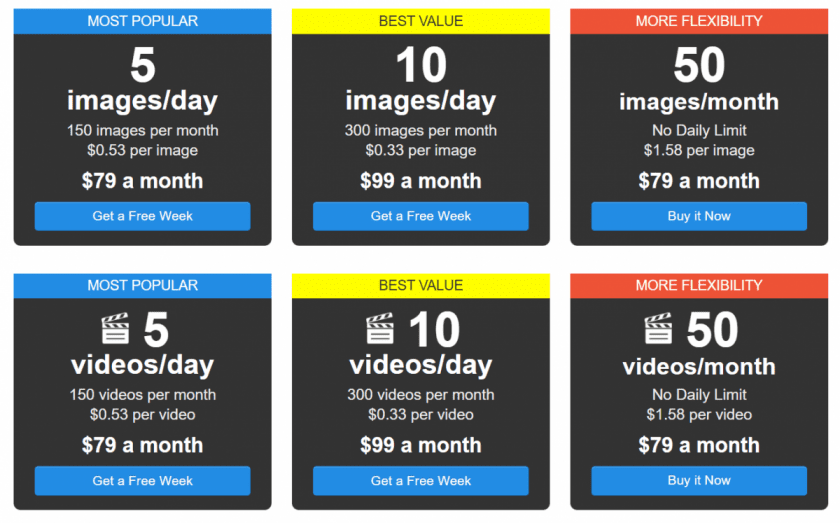
Bigstock offers access to a substantial image and video library with over 105,000 videos and millions of photos, vectors, and illustrations. Its most practical plan is a daily download option: 5 downloads per day for $79/month, totaling 1,825 downloads annually at $948/year. This predictable daily cap suits users with regular publishing or production schedules. If your creative projects span across weeks or months, Bigstock helps keep your momentum going without overspending.
5. Dreamstime
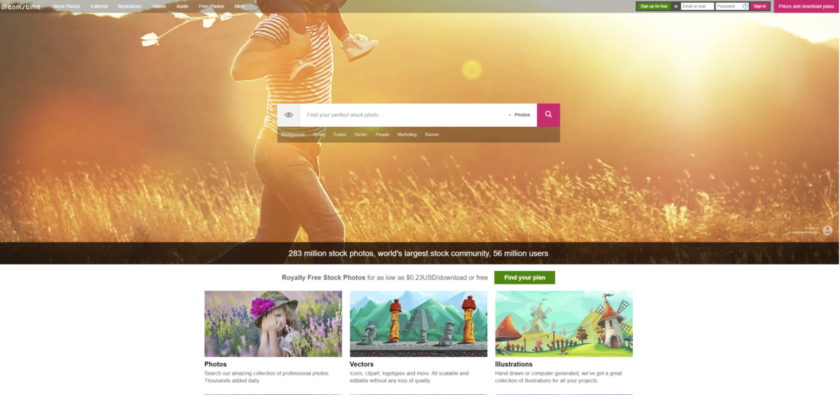
Dreamstime boasts over 200 million assets, ranging from photos and vectors to video and audio files. Their high-volume annual plan includes 750 downloads per month—9,000 per year—for $2,028. While this is a higher-tier option, it becomes economical for agencies and content-heavy brands needing frequent access to fresh visuals. For projects started long ago or campaigns that will evolve over time, Dreamstime's extensive library ensures you’ll always find something relevant.
Pricing Comparison Table
| Platform | Annual Plan Details | Library Size | Notable Feature |
|---|---|---|---|
| StockPhotos.com | $79/year for 200 downloads | 12M+ | Affordable plans with great extras |
| iStock | $348/year for 120 downloads (10/month) | Millions | Flexible subscriptions for diverse needs |
| Adobe Stock | $359.88/year for 120 downloads (10/month) | 240+ Million | Creative Cloud integration with rollover |
| Bigstock | $948/year for 1,825 downloads (5/day) | Millions | Daily download plans for regular use |
| Dreamstime | $2,028/year for 9,000 downloads (750/month) | 200M+ | High-volume plans with extensive library |
When comparing these options side-by-side, each platform brings unique strengths. StockPhotos.com is unmatched in affordability for medium-use users. iStock and Adobe Stock deliver refined search tools and high-end visuals. Bigstock stands out for its consistent daily access model. And Dreamstime is excellent for bulk content demands with its extensive asset selection.
By aligning the subscription plan with your actual usage needs—whether it's 200 images a year or 750 a month—you can find the right fit without overspending. These platforms demonstrate that professional results don’t have to come at a premium, offering creators flexible, scalable solutions at a more accessible cost.
Most Helpful Tips for Finding Budget-Friendly Creative Resources
Discovering high-quality creative assets at an affordable price is not only possible but essential for bringing your vision to life. With a strategic approach, you can find premium images that elevate your projects without draining your budget. Here are some practical tips to help you maximize the value of your search for stock content:
Start with Your Usage Needs
Before committing to any platform, define how often you’ll need assets and what types—photos, vectors, videos, etc. A small business creating occasional blog posts might benefit from a low-volume annual plan, while a marketing team producing daily content could save more with a high-download subscription. Whether you're a solo designer or a startup trying to create an online presence, your actual needs should guide your subscription choice.
Take Advantage of Free Trials and Free Assets
Many agencies offer free downloads or trial periods. Some platforms provide free sections where you can legally access high-quality assets without any upfront cost. This is especially helpful when testing a new platform or fulfilling one-off creative needs.
Look for Bundled or Limited-Time Deals
Stock agencies frequently run seasonal promotions, holiday sales, or bundle deals—particularly on annual subscriptions. Signing up for newsletters or following agencies on social media can help you stay informed about upcoming discounts. A deal you saw weeks ago might be back next month—so it pays to check in regularly.
Use Filters Wisely to Avoid Premium Assets
Some platforms categorize their content into pricing tiers—like iStock’s Essentials vs. Signature collections. When cost is a factor, use platform filters to isolate more affordable assets. This ensures you’re not unintentionally selecting premium items that carry a higher cost. Similar tools exist on Adobe Stock and Bigstock to help narrow your results quickly.
Balancing Cost with Creative Control
Balancing budget constraints with your creative vision is a common challenge for content producers. Fortunately, many of today’s affordable stock platforms allow you to maintain full control over the aesthetic and tone of your projects. From detailed search filters to curated collections, you can narrow results that match your brand identity without being locked into overly generic imagery. By mixing and matching across platforms or selectively upgrading for key visuals, you can maintain a cohesive look while staying within budget. Small investments in standout images—used alongside more economical assets—can elevate your entire visual presence.
Consider Credit-Based Systems for Flexibility
If your creative work is sporadic or varies in scale, consider using agencies that offer credit systems (such as Dreamstime or Adobe Stock). These allow you to purchase only what you need, when you need it, without the commitment of a monthly or yearly plan. Credits typically don’t expire quickly, giving you greater flexibility.
Check for Educational or Nonprofit Discounts
If you’re a student, educator, or part of a nonprofit organization, some agencies offer special pricing. It’s worth reaching out directly to customer service or browsing their FAQ sections to inquire about eligibility for reduced rates.
Review Licensing Before Downloading
Some of the most affordable assets come with restrictions on commercial use or require attribution. Always read the license terms carefully to ensure the content fits your intended use case. Avoid surprises by reviewing restrictions before incorporating an image or video into your final product. Royalty-free doesn’t always mean unrestricted.
Use Niche Platforms for Specific Content
Sometimes, niche content can be more cost-effective when sourced from smaller or specialized libraries. For example, if you consistently need illustrations or a particular aesthetic, browsing platforms that focus on those styles can lead to both better quality and better pricing.
By incorporating these strategies, you can significantly lower your creative expenses while still producing polished, professional content. Even more budget-friendly plans have the potential to yield high-value returns if chosen wisely.
Pros and Cons of Using Alternative Platforms for Creative Assets
Choosing alternatives to mainstream stock libraries can open new opportunities for creatives seeking cost savings, unique visuals, or specialized services. However, it's important to weigh the benefits and limitations of branching out from more widely known providers. Here's a breakdown of the key pros and cons to help you make an informed decision.
Pros
Lower Cost with Flexible Plans
One of the key benefits is the cost efficiency. Many cheaper platforms offer competitive annual pricing, flexible subscription systems, or pay-as-you-go bundles. These options are ideal for users with varying needs and can result in substantial long-term savings—especially compared to premium-tier subscriptions from legacy providers.
Comparable Quality at a Better Price
Contrary to assumption, a lower price doesn't always equate to inferior quality. Platforms like iStock, Adobe Stock, and StockPhotos.com offer high-resolution, professional images that rival those found in top-tier libraries. In fact, some content is available on multiple platforms, allowing you to access premium visuals for a more affordable subscription fee.
Niche and Exclusive Content
Smaller or specialized libraries often feature unique collections that cater to specific industries, demographics, or creative styles. This can be especially useful for brands looking to stand out with less widely used imagery. Dreamstime, for example, hosts a wide range of contributor-generated content, often more diverse and less “stocky” in appearance. Therapists, educators, and independent creators often benefit from these unique, human-focused visuals.
Simpler Licensing Options
Many affordable platforms offer simple licensing terms tailored for ease of use. These options provide a more straightforward approach compared to pricier enterprise-level services, allowing creators to quickly grasp what is permissible and what is not. This saves time and minimizes potential legal risks.
Bonus Features and Integrations
Some services go beyond asset delivery. Adobe Stock’s Creative Cloud integration, for instance, enables seamless asset placement directly into design workflows. Others, like StockPhotos.com, incentivize users with first-year bonuses or curated bundles to enhance overall value.
Greater Accessibility for Freelancers and Startups
Lower pricing structures open the door for solo creators, educators, and small businesses to access high-quality assets without having to overextend their budgets. This democratizes access to strong visual content and empowers smaller players to compete in visually-driven markets.
Potential for Discovering Hidden Gems
Alternative platforms often host work from emerging photographers, illustrators, and videographers. This means you might come across fresh, less overused content that helps your brand or project feel unique and authentic.
Cons
Smaller or Less Diverse Libraries
While many platforms offer extensive catalogs, they may still fall short of the massive archives available through premium services like Getty Images or Shutterstock. This could mean fewer choices for highly specific themes or rare content types.
Limited Editorial and News Assets
If you require real-time editorial imagery for your work, such as celebrity photos or breaking news coverage, cheaper platforms may not be the best option. These assets are often exclusive to larger agencies with global photographer networks.
Varied User Experience and Interface Design
Some more affordable platforms may lack the sleek interfaces or advanced search tools found on pricier sites. This can impact the speed at which you locate what you need, particularly when working on extensive projects or under tight deadlines.
Licensing May Require Extra Attention
While some platforms offer a cheaper subscription model, others may provide inconsistent or unclear usage terms for different image types. This can necessitate extra diligence, especially when seeking assets for commercial projects, advertising, or resale.
Fewer Enterprise-Level Tools
Agencies and teams working at scale might miss features like collaborative workflows, dedicated account managers, or enterprise licensing options. While fine for individuals and small teams, alternative platforms may not fulfill the needs of large organizations or global campaigns.
Inconsistent Image Curation
Unlike premium platforms with strict quality guidelines, some lower-cost sites may host a wider variety of contributor skill levels. This can lead to inconsistent results in search quality, requiring more time to filter through and find the best assets.
Fewer Language or Regional Options
International users may notice that some affordable platforms offer limited support for different languages or regional content. If you're targeting global audiences, it might take more effort to locate culturally specific or geographically relevant visuals.
Ultimately, the decision to use an alternative stock provider comes down to your creative goals, budget, and project scale. For many users—especially freelancers, content creators, and startups—the advantages far outweigh the drawbacks. All it takes is a bit of planning and review.
How to Navigate Licensing and Usage Rights with Affordable Alternatives
When working with cost-effective stock platforms, it’s essential to understand how licensing works. Although these platforms typically offer more accessible pricing, that doesn't mean the legal responsibilities are any lighter. Misusing an asset—intentionally or not—can still result in significant issues, especially in commercial contexts.
Start with the license type.
Most platforms offer two primary types of licenses:
- Standard License – Covers general commercial uses like websites, blogs, digital ads, social media, and presentations.
- Extended License – Needed for more expansive use, such as merchandise, print runs over a specific quantity, TV broadcasts, or app distribution.
Each agency may define these slightly differently, so it's important to read their terms closely. For example, what Adobe Stock allows under its standard license might require an upgrade on Dreamstime or iStock.
Always check the usage limitations.
Look out for specific restrictions around:
- The number of impressions or distribution volume
- Use in sensitive or editorial contexts
- Modification or resale of the asset
- Whether attribution is required (usually for free content)
Some platforms allow unlimited use in digital spaces, but limit how many physical prints or products can be produced with the asset.
Consult support when unsure.
If you're unclear about whether your project falls under standard or extended usage, reach out to the agency’s support team. Most offer licensing FAQs, chat options, or ticket systems where you can get confirmation before using an asset in a high-stakes setting. This is especially important for:
- Client work with legal oversight
- Public campaigns or commercial advertising
- Large-scale distribution or product packaging
Be cautious with free assets.
Many platforms offer free images, but these often come with stricter usage rules. They may require attribution, prohibit commercial use, or limit modification rights. Don’t assume a free asset comes with the same rights as a paid one.
Keep documentation.
Maintaining a record of your licenses, invoices, and download confirmations is crucial. This documentation can serve as evidence of proper usage in case of any disputes or licensing audits. If you're collaborating with multiple clients or teams, it's essential to keep clear records for accountability and transparency.
Understanding these licensing layers upfront and taking a few extra steps to confirm usage terms can help you confidently utilize more affordable stock content in both personal and commercial projects—without risking a legal headache down the line.
Final Thoughts on Exploring Cost-Effective Options for Your Creative Projects
The landscape of stock photography and creative asset platforms has evolved significantly in recent years. What was once a market dominated by a few pricey providers is now overflowing with accessible, customizable options that cater to creators with diverse needs and budgets. This shift has made high-quality images more affordable than ever before, offering a plethora of alternatives for those seeking premium content without breaking the bank.
Choosing a more affordable alternative doesn’t mean compromising on quality. Platforms like StockPhotos.com, iStock, Adobe Stock, Bigstock, and Dreamstime offer vast, diverse libraries and professional-grade content that rival top-tier services. Whether you're designing marketing materials, building a brand identity, or producing multimedia content, these platforms provide the tools and flexibility you need—without the financial burden.
Key advantages include:
- Competitive pricing structures for individual creators and teams
- Access to millions of high-quality assets across photos, vectors, video, and more
- Licensing options that scale with your usage, from simple web use to commercial distribution
- Helpful features like Creative Cloud integration, curated bundles, or daily download plans
To unlock the full potential of your investment, it's crucial to select a platform that seamlessly integrates with your unique workflow. If you find yourself only requiring visuals on occasion, opting for a credit-based system or an annual plan with low download limits may be the perfect fit. For those with consistent publishing demands, daily or monthly subscriptions guarantee you always have an ample supply at your fingertips. Don't hesitate to mix and match platforms either – utilizing one service for bulk images and another for specialized or high-quality assets can prove to be a savvy and cost-efficient approach.
By utilizing more affordable stock sources, creative professionals can maximize their resources and achieve stunning visual content without breaking the bank. With a strategic approach to selecting platforms, licensing options, and managing assets, you can uphold a top-tier standard of visual storytelling while staying within your budget constraints.