How Easy Is It to Automize the Design Process with AI Agents

The idea of handing over design work to artificial intelligence isn’t science fiction anymore—it’s a reality that’s rapidly reshaping the creative industry. With AI agents now capable of generating layouts, images, and even branding elements, it’s tempting to imagine a fully automated workflow where creativity is handled by algorithms.
But while the potential is undeniable, automating the design process isn’t always the smooth, effortless solution it’s made out to be. In many cases, it’s not about replacing human creativity but finding smarter, faster tools to support it. That’s why a growing number of creatives are turning to specialized AI tools—like the Stockphotos.com AI image generator—as a more balanced and intuitive option.
Let’s explore the practicality of automating design with AI agents and how AI-powered platforms can fit into your workflow more effectively.

Full Automation Sounds Great—Until It Gets Complicated
At a glance, the appeal of fully automating design makes sense: faster output, consistent style, and reduced need for manual labor. AI agents can be programmed to generate digital content across different formats—everything from social media graphics to ad banners and website visuals.
But there’s a catch: full automation usually requires complex setup. Most AI agents aren't plug-and-play tools. They often demand prompt engineering, custom training, or integration with external APIs. That level of technical detail can overwhelm individuals or small teams who are simply trying to produce great-looking content efficiently.
And beyond logistics, there’s a bigger problem: creative quality. While an AI agent can spit out dozens of images, only a few might be usable—and even then, they may lack emotional resonance or miss important design cues.
This is where design-specific AI platforms come into play.
A Smarter Approach: Stockphotos.com’s AI Generator
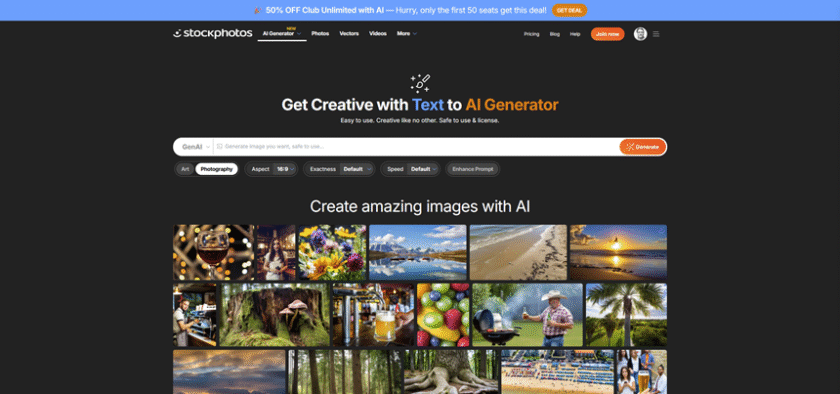
Instead of building an AI workflow from scratch, creatives can use purpose-built platforms designed to Instead of building an AI workflow from scratch, creatives can use purpose-built platforms designed to generate visuals with minimal friction. One standout example is Stockphotos.com AI image generator, a tool created specifically for designers, marketers, and content creators.
Unlike generic AI agents, Stockphotos.com’s generator is streamlined for real-world design needs. You enter a simple text prompt—say, “a futuristic city skyline at sunset, cinematic lighting”—and the tool produces a gallery of ready-to-use visuals. No code. No confusing parameters. Just fast, high-quality results.
Why it stands out:
- User-friendly interface: Clean layout, no steep learning curve.
- Refined visual output: Tailored for commercial and editorial use, the quality rivals professional stock photos.
- Quick iterations: Don’t like the first result? Regenerate it with a click, or tweak your prompt.
- Licensing clarity: All images come with usage rights suitable for creative and commercial applications.
- Creative control: You drive the vision; the AI does the execution.
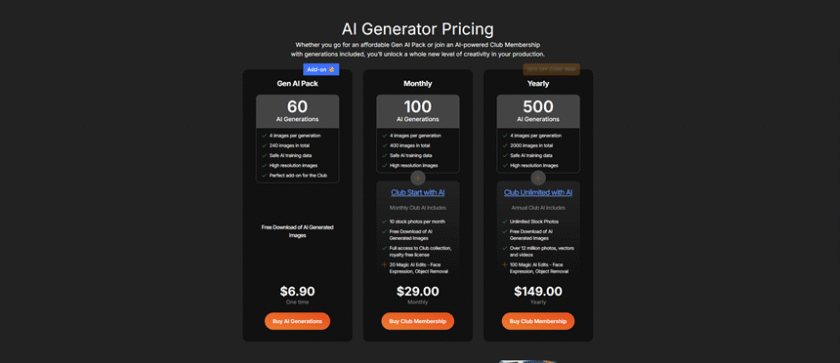
This kind of platform hits the sweet spot between automation and creative freedom. It’s ideal for anyone who wants to scale content production without giving up quality or individuality.
When Automation Doesn’t Deliver the Full Picture
It’s important to remember that not all tasks should—or can—be automated. AI agents often fall short when visuals require emotional nuance, brand-specific guidelines, or cultural sensitivity. These areas are still deeply rooted in human interpretation.
Let’s say you’re designing a nonprofit campaign to raise awareness about climate change. The imagery needs to evoke empathy, urgency, and hope. An AI agent might give you a literal interpretation—trees, melting ice, polar bears—but miss the emotional tone that connects with audiences. You’ll likely spend more time editing or recreating than you would designing it yourself.
Then there’s consistency. AI agents might deliver one great design and three forgettable ones. That inconsistency becomes a problem when you’re working on large-scale campaigns or trying to uphold brand standards. While helpful for ideation, they’re not always dependable for production-quality output.
That’s why many professionals now opt for guided AI design tools that offer precision without complexity—exactly what Stockphotos.com’s generator aims to provide.
How to Use AI Tools for Creative Efficiency
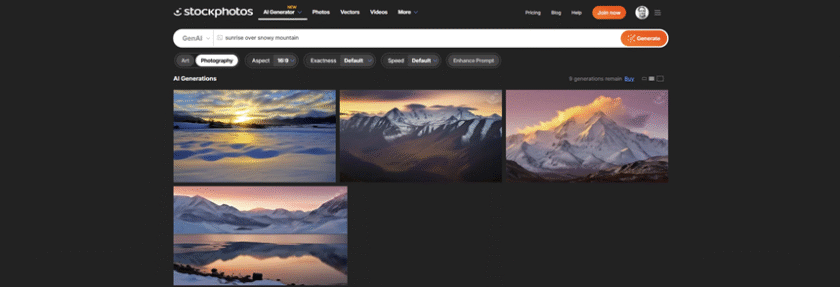
If you’re thinking about automating your design work, the key isn’t to outsource everything—it’s to identify which parts of your workflow benefit most from AI support. Here are some areas where tools like the Stockphotos AI generator can enhance productivity:
- Brainstorming and mood boards: Quickly visualize concepts for clients or internal reviews.
- Social media visuals: Generate engaging and consistent images without starting from scratch each time.
- Blog and content marketing: Pair articles with custom visuals that reflect your brand’s tone.
- Ad testing: Produce multiple ad variations to A/B test creative performance.
- Prototyping: Use AI-generated visuals as placeholders or to explore new creative directions.
The goal is to let AI handle the repetitive or exploratory tasks, while you focus on refining the message and aesthetics.
Final Thoughts: Don’t Over-Automate Creativity
Automating the design process is entirely possible—but that doesn’t mean it’s always the best route. Full automation can introduce complexity and risk losing the very thing that makes design powerful: human insight.
A more balanced solution is to adopt intuitive tools that support your creativity without trying to replace it. Platforms like the Stockphotos.com AI generator give you the best of both worlds—speed and quality, automation and control.
If your goal is to design smarter, not just faster, it might be time to rethink what “automation” really means. Instead of aiming for a hands-off solution, empower your process with tools that elevate your creative vision while cutting down on production time.