Alamy in Focus: How Photographers Are Turning Images Into Income

In the ever-changing landscape of digital photography, stock image platforms have revolutionized the way creatives can turn their work into a steady stream of revenue. Among the plethora of options available, Alamy shines as a reputable platform renowned for its stringent standards, fair compensation for artists, and vast array of content. Whether you're a seasoned professional or a newcomer dipping your toes in the water, Alamy provides an accessible avenue to monetize your visual assets. This guide delves into the intricacies of collaborating with Alamy, offering personal insights, practical advice, and an overview of the platform's potential for generating income for image creators.

Overview of Alamy
Established in 1999 in the United Kingdom, Alamy has evolved into one of the most extensive stock photo libraries globally. The platform showcases over 300 million images, vectors, and videos, provided by more than 100,000 photographers and agencies worldwide. Unlike certain competitors, Alamy does not restrict contributors by genre or style, allowing for a diverse and expansive collection that encompasses everything from conceptual art to highly specific editorial shots.
Alamy caters to a vast global market, providing top-quality images for media outlets, marketers, book publishers, educators, and creative professionals. The platform is highly esteemed in editorial and documentary circles for its inclusive approach to image uploads. Unlike other sites that require exclusivity or a curated portfolio to begin selling photos online, Alamy offers a more accessible way for contributors to start earning money from their photographs.
Alamy offers a versatile and unrestricted platform for contributors to showcase and sell their photos. Whether you specialize in nature, travel, lifestyle, or news events, Alamy provides an opportunity to earn money by distributing your high-quality images to a broad audience.
For an in-depth look, read our Alamy review.
Benefits of Using Alamy for Photographers
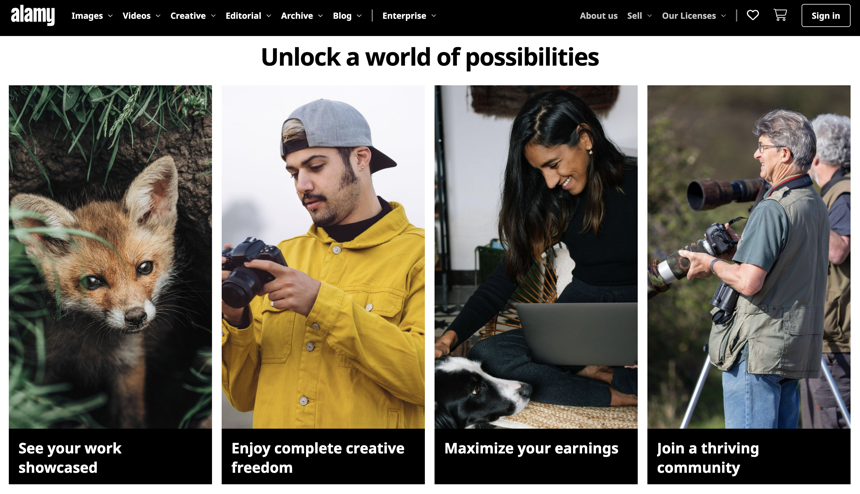
Photographers are always on the lookout for platforms that offer a perfect blend of accessibility, fair compensation, and creative freedom. Alamy excels in meeting these criteria with its contributor-friendly approach, making it an ideal choice for both seasoned professionals and budding creators.
Key Benefits Include:
- Generous royalty structure (discussed in detail below)
- No exclusivity requirements, allowing you to sell the same images elsewhere
- Straightforward upload process, with minimal barriers to entry
- Global visibility, reaching clients across newsrooms, marketing teams, educational publishers, and more
- Support for editorial images, even those without model or property releases
Alamy stands out not only for its inclusive contributor policy but also for its transparent approach to licensing. As a creative, you retain the copyright to your images, giving you full control over how you sell them and allowing you to make money online with your photographs. You have the power to remove your images from the platform at any time, ensuring that you can maintain long-term control over your assets. This is an essential consideration for those looking to maximize their earnings and establish themselves as expert contributors in the stock photography market.
Alamy Royalty Rates for Artists
One of the most appealing aspects of being a contributor to Alamy is its royalty structure. Unlike some microstock platforms that may pay less than a dollar per download, Alamy offers competitive rates that truly reflect the value of your photography.
Here’s a breakdown of Alamy’s royalty structure:
| License Type | Royalty Rate |
|---|---|
| Direct Sale | 40% |
| Distributor Sale | 20% |
| Alamy Exclusive | Up to 50% |
| Non-Exclusive | 40% (reduced to 20% via distributor) |
| Student Program | 100% (available for students from universities registered with the Student Program only) |
These rates apply to the net amount Alamy receives from the customer after any discounts or processing fees. While some contributors express concerns about distributor sales (which cut earnings in half), the option to opt out of the distribution program offers flexibility.
Contributors who assign images as exclusive to Alamy can benefit from higher royalties, although this does limit your ability to sell the same content on other platforms.
Licensing Models Explained: Rights Managed vs. Royalty-Free on Alamy
Understanding licensing on Alamy is key to setting the right expectations—and making informed decisions about how to categorize your images.
Royalty-Free (RF)
Royalty-Free licenses offer buyers the opportunity to use the image multiple times for various purposes with just a single payment. This option is highly flexible and widely favored for its convenience, making it ideal for:
- Blog posts
- Social media
- Marketing materials
- Small business use
Contributors can benefit from a wider audience and potentially increase their sales frequency, even if at lower price points.
Rights Managed (RM)
Rights Managed licenses are more exclusive and tailored to specific usage needs. Buyers pay based on factors such as print run, geography, and duration, allowing photographers to command higher rates for their work.
Ideal for:
- Book covers
- Magazine spreads
- Commercial advertising campaigns
- Editorial features with limited use rights
Choosing the Right Model
On Alamy, you can assign either license to your images:
- Use RF if you’re looking to generate steady income with broader licensing appeal
- Opt for RM if you’re submitting rare, premium, or highly specific content that may command a higher price under usage-limited terms
Note: RM images cannot be sold elsewhere unless removed from Alamy, so careful planning is necessary when committing to this license type.
Tips for Maximizing Income on Alamy
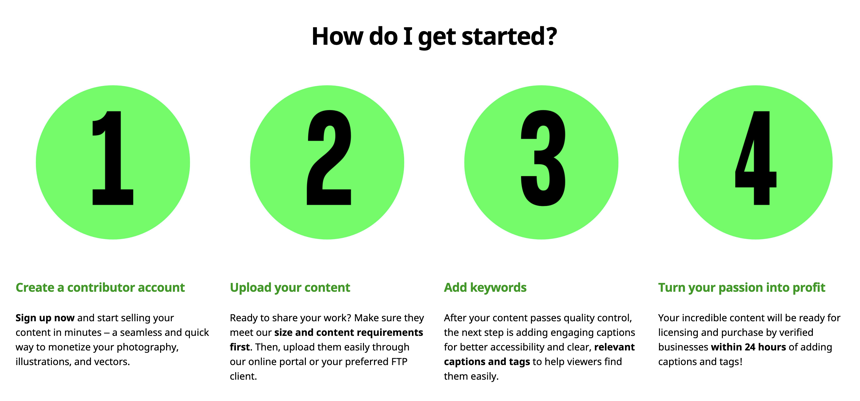
Making consistent sales on Alamy requires more than just uploading photos. Here are some effective strategies contributors use to increase their earnings:
1. Upload Regularly and Diversely
- Fresh content improves visibility in search results
- Cover various themes such as lifestyle, business, education, and real-world events
2. Prioritize Metadata
- Accurate, keyword-rich captions and tags help your images get found
- Use Alamy’s AIM (Image Manager) to refine titles, keywords, and categories
3. Leverage Editorial Content
- Capture spontaneous real-world scenes with proper date/location info
- Alamy excels in news-related or documentary-style imagery
4. Avoid Overediting
- Clients prefer natural, usable images over heavily filtered ones
- Keep colors realistic and compositions clear
5. Understand the Licensing Types
- Commercial use requires releases; editorial doesn’t
- Ensure your images are appropriately categorized to avoid licensing issues
By implementing these practices, many contributors have seen better performance, especially when aligning their portfolios with current market needs.
How to Create High-Quality Images That Sell
While artistic flair is important, stock images that generate revenue often follow certain visual and technical principles. Clients are typically looking for utility, clarity, and relevance.
Best Practices for Capturing Sellable Images:
- Use natural lighting when possible to reduce harsh shadows and overexposure
- Shoot in high resolution—Alamy prefers images that are at least 6 megapixels
- Tell a story visually by focusing on expressive moments or unique perspectives
- Leave copy space in your composition; designers and advertisers appreciate it
- Frame subjects clearly—whether people, products, or environments
Editing should enhance rather than distract. Stick to simple adjustments like exposure correction, contrast balance, and slight sharpening. Always check for chromatic aberrations or sensor dust before uploading.
Also, consider niche and underrepresented subjects. While travel and nature are oversaturated, there’s growing demand for topics like aging, remote work, eco-lifestyles, and multicultural representation.
Understanding the Market Demand for Photography on Alamy
Alamy’s buyers come from a broad range of industries. Understanding who they are—and what they’re seeking—can help you anticipate trends and tailor your uploads accordingly.
Key Buyer Segments Include:
- News outlets sourcing editorial content, especially breaking news and politics
- Educational publishers needing diverse and informative visuals
- Marketing agencies looking for clean, modern lifestyle imagery
- Book and magazine publishers seeking atmospheric or conceptual shots
Alamy’s Measures tool gives contributors access to detailed analytics, including:
- How many times your images have been viewed in search
- What search terms were used
- Which images were zoomed in on (indicating serious buyer interest)
This feedback loop allows you to adapt your uploads to meet real-time demand, identify high-performing themes, and test new ideas.
Can You Sell AI-Generated Images on Alamy?
As AI-generated visuals gain popularity, many contributors wonder whether platforms like Alamy allow synthetic images—and under what conditions.
Alamy’s Policy on AI Content
Alamy currently accepts AI-generated images as long as contributors adhere to key content and ethical guidelines, including:
- Accurate labeling: You must mark AI-generated content clearly during upload
- Licensing clarity: Contributors must have full commercial rights to the model or tool used to generate the image. This includes generative platforms like Midjourney or DALL·E, provided you comply with their licensing terms
- Editorial use limitations: AI content generally cannot be used for editorial purposes due to authenticity concerns
Best Practices for Uploading AI Visuals:
- Avoid hyperrealistic synthetic humans without disclosure
- Include “AI-generated” in the caption or keyword metadata
- Ensure there are no copyright-infringing elements (e.g., logos, celebrity likenesses)
- Do not use AI to generate fake news imagery or misleading content
Alamy has become more cautious but open to the creative possibilities of AI, provided contributors remain transparent and ethical. This opens a door for visual artists who use AI tools as part of their workflow—especially for conceptual, abstract, or commercial-style imagery.
How Does Alamy Compare to Other Stock Photo Platforms?
For contributors deciding where to invest their time and creative energy, Alamy offers a distinct alternative to microstock platforms like Shutterstock, Adobe Stock, and iStock. While each site has its pros and cons, Alamy’s approach is often seen as more contributor-centric.
Key Comparison Points:
- Royalty Rates: Alamy’s 40–50% royalty share is significantly higher than Shutterstock (15–40%) and Adobe Stock (20–33%). This makes it attractive for photographers who prefer fewer but higher-paying sales
- Exclusivity: Unlike Getty or iStock, Alamy does not require exclusivity. You can upload the same image to other platforms unless you opt into Alamy’s exclusive program for higher commission rates
- Content Types: While microstock platforms lean heavily into commercial and lifestyle images, Alamy has a strong editorial market, giving space to newsworthy, documentary, and less “polished” visuals
- Curation and Access: Shutterstock and Adobe Stock tend to be stricter with image acceptance and curation. Alamy offers a lower barrier to entry, especially for photographers who shoot unconventional or niche subjects
- Sales Volume vs. Value: Microstock contributors may see higher download volumes due to subscription-driven buyer models. Alamy often delivers fewer downloads, but with licenses selling for significantly more—especially in editorial or educational contexts
Ultimately, Alamy is ideal for photographers who value creative freedom, fair compensation, and the ability to monetize editorial or documentary content without exclusivity.
Pros and Cons of Selling Photos on Alamy Platform
As with any platform, contributing to Alamy comes with advantages and limitations. Here’s a balanced overview based on contributor experiences:
While it may not deliver the volume of sales that other platforms promise, the value per license is often much higher on Alamy. Many contributors report fewer sales but better income per image compared to microstock platforms.
Final Thoughts
Alamy remains a viable option for photographers who value creative autonomy and fair compensation. It appeals to those who are patient, detail-oriented, and proactive in understanding image trends and buyer behavior.
Success on Alamy is rarely instant. It requires consistent effort—shooting relevant content, keywording effectively, and studying the platform’s analytics. But for many, it’s a rewarding experience that builds passive income while giving their work professional exposure.
Whether you’re a hobbyist looking to test the waters or a full-time creator exploring new revenue streams, Alamy offers a platform where visual storytelling can translate into real-world earnings.