In today's visually-driven digital landscape, having tools that cater to non-designers is not just helpful—it's crucial. Two prominent names in the industry that often come up in discussions among marketers, small business owners, and content creators are Snappa and Canva. Both platforms offer an intuitive approach to creating graphics, marketing materials, and social media visuals; however, they cater to slightly different needs and user demographics.
This in-depth analysis delves into the features, capabilities, and pricing models of both tools. Whether you're a solo entrepreneur seeking to create stunning graphics quickly or part of a team requiring seamless collaboration, this comparison will guide you in determining which platform is best suited for your creative endeavors.
Let’s begin by examining what Snappa brings to the table in terms of functionality and design features.
Features and capabilities of Snappa
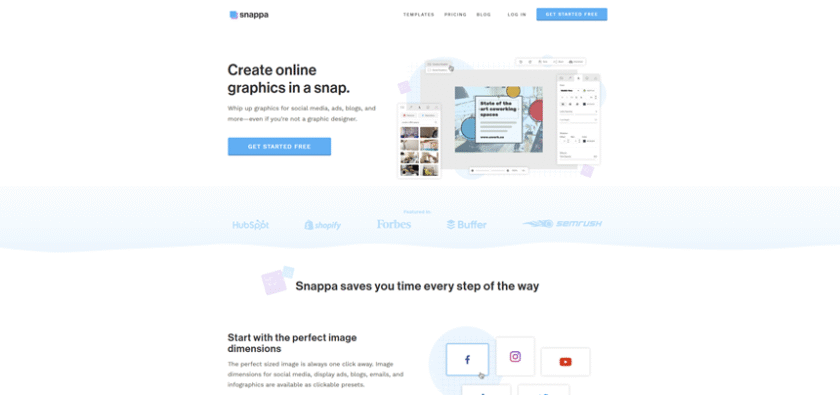
Snappa is an advanced cloud-based design tool designed with simplicity in mind, catering to marketers, content creators, and entrepreneurs who require high-quality visuals without the hassle of a steep learning curve. It is super user-friendly and aims to streamline the design process for individuals who prioritize efficiency over intricate customization.
At its core, Snappa offers an advanced drag-and-drop interface that simplifies layout creation. Users can choose from a wide array of pre-sized templates tailored for blog graphics, Facebook ads, YouTube thumbnails, infographics, and more. This super streamlined approach ensures that users spend less time resizing and more time creating stunning visuals.
Among Snappa’s most prominent features are:
- Template Library: Offers thousands of ready-to-use templates optimized for various content formats.
- High-Resolution Downloads: Even on the free plan, users can download designs in high resolution.
- Integrated Stock Photo Library: Access to over 5 million free high-resolution photos, making it easy to create polished visuals without leaving the platform.
- Graphic Elements and Icons: A substantial library of vector shapes, icons, and design elements simplifies the creative process.
- Font and Text Tools: Includes hundreds of fonts with styling options like shadows, overlays, and background color customization.
- One-Click Image Resizing: Easily convert one design into multiple formats for different platforms with minimal effort.
- Social Media Scheduling Integration: Seamlessly integrates with Buffer, providing users with the ability to schedule and publish designs directly to their social media channels. This advanced feature streamlines the process of sharing content across various platforms, making it easier than ever to reach a wider audience.
Snappa is tailored specifically for solo creators and small teams. Its learning curve is minimal, making it perfect for users who want to get started quickly. While it may not offer all the advanced features found in comprehensive design suites, it excels at what it promises—speed, simplicity, and quality.
Next, we’ll explore how Canva’s capabilities stack up and where it may offer more flexibility or complexity depending on your design needs.
Features and capabilities of Canva
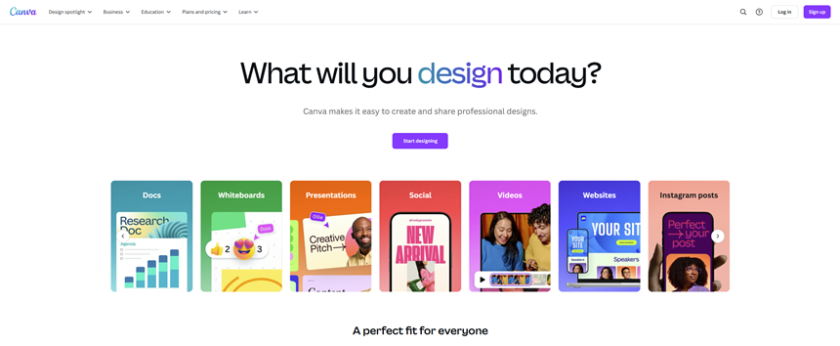
Canva stands out as one of the most versatile design tools in the world, catering to a wide range of users from beginners to advanced professionals. Its super functionality extends beyond just social media graphics, covering presentations, websites, documents, videos, and print materials—all within an intuitive drag-and-drop interface.
Canva stands out for its advanced capabilities and scalability. Whether you're creating an Instagram story or developing a multi-page pitch deck, Canva offers tools that cater to users of all skill levels and project sizes.
Some of Canva’s standout features include:
- Extensive Template Collection: With over 610,000 templates for everything from business cards to infographics, users can find a layout for nearly any purpose.
- Drag-and-Drop Editor: The intuitive interface makes it easy for anyone to customize visuals, rearrange elements, or incorporate animations.
- Collaborative Design: Canva offers an advanced platform for real-time collaboration, empowering teams to work together on designs, leave comments, and manage version history. This super feature allows users to seamlessly collaborate with colleagues from around the world in an open and friendly environment. It's like being a part of the winning team in a championship match, where every member plays a crucial role in achieving the final goal.
- Brand Kit Management: Pro users can set brand colors, fonts, and logos to ensure consistent visuals across all materials.
- AI Tools and Magic Studio: Canva offers a suite of AI-powered tools like Magic Resize, Magic Eraser, and AI text generation, streamlining content production.
- Video Editing Capabilities: Create or edit short-form videos with access to a timeline editor, transitions, background music, and voiceovers.
- Content Planner: A built-in social media scheduler lets users plan and post directly to major platforms.
- App Integrations: Canva offers advanced integrations with Google Drive, Dropbox, HubSpot, and various social media platforms. These seamless connections make it super easy to access your files and share your designs across the digital world.
Canva stands out with its extensive asset library, boasting millions of stock photos, videos, audio tracks, illustrations, and design elements. Unlike Snappa's more simplistic approach, Canva is the ultimate all-in-one platform for advanced design capabilities, marketing tools, and brand management solutions.
Now that we've covered what both platforms bring to the table in terms of functionality, let’s take a closer look at how their pricing structures compare.
Pricing comparison between Snappa and Canva
When selecting a design platform, pricing can play a crucial role—especially for freelancers, startups, and small businesses operating on tight budgets. Both Snappa and Canva offer free versions with essential functionality, as well as premium plans that provide access to more advanced features, assets, and flexibility.
Here’s how their individual pricing tiers compare:
| Plan Type | Snappa Monthly | Snappa Yearly | Canva Monthly | Canva Yearly |
|---|---|---|---|---|
| Free Plan | $0 | $0 | $0 | $0 |
| Pro (Individual) | $15/month | $120/year ($10/month) | $12.99/month | $119.99/year ($9.99/month) |
| Team Plan | N/A | N/A | $10/user/month (Min 3 users) | $100/user/year (Min 3 users) |
Snappa Free vs. Pro Plan
- The free version of Snappa provides access to 6,000+ templates, 5 million stock photos, and 3 downloads per month.
- The Pro plan removes download limits, unlocks background removal, and enables one-click image resizing.
- Snappa does not currently offer a dedicated team plan, making it more suitable for individuals or solo creators.
Canva Free, Pro, and Teams
- Canva’s free plan includes access to thousands of templates and design elements but limits brand kits, background removal, and advanced collaboration.
- Canva Pro includes premium templates, Magic Studio tools (like background remover and Magic Resize), brand kits, and over 100 million assets.
- The Teams plan is designed for collaboration and includes shared libraries, team templates, workflows, and administrative controls.
In the realm of graphic design tools, Snappa offers a user-friendly and affordable pricing structure. However, Canva takes it to the next level with its advanced features and scalability for teams on the rise. With a robust team option, Canva emerges as the winner for organizations seeking collaborative tools and centralized brand management solutions.
Next, let’s explore what users are saying about their experiences with both platforms.
User reviews and feedback on Snappa and Canva
When comparing design platforms, user feedback often uncovers insights that go beyond what product descriptions provide. Snappa and Canva are both highly regarded by users, with each platform showcasing its own unique strengths and limitations based on how individuals utilize the tools.
Snappa User Impressions
Snappa is widely recognized for its user-friendly interface and advanced features. Users rave about how quickly they can create professional-looking graphics without any prior design experience. Solo entrepreneurs, bloggers, and marketers alike appreciate how Snappa saves them time and streamlines the process of creating visually stunning content.
Common praise includes:
- Fast loading times and smooth performance
- Simple drag-and-drop editor without unnecessary clutter
- Access to high-quality stock photos included in the plan
However, some users mention limitations:
- Lack of advanced features for more complex designs
- No dedicated mobile app
- Limited team collaboration options
In essence, Snappa's user-friendly interface is both its biggest advantage and potential drawback. It excels in quick content creation but may not meet the needs of those looking for more advanced customization options or collaborative features.
Canva User Impressions
Canva's user base is vast and diverse, encompassing everyone from students to social media managers to enterprise teams. Users consistently praise its versatility and the continuously expanding range of features. The integration of AI tools and an advanced brand management system has truly elevated Canva's appeal for business use.
Positive feedback often includes:
- Huge library of design assets and templates
- Collaboration features and shared folders
- Time-saving tools like Magic Resize and background removal
- Mobile app with near-full functionality
Still, some users express frustration with:
- Occasional lag with large or complex designs
- Steeper learning curve due to sheer feature depth
- Limited control over finer design elements compared to professional tools
In the realm of graphic design tools, Canva stands out as the more advanced and flexible option—especially for teams or users seeking to manage branding and scale their output. On the other hand, Snappa is highly regarded for its user-friendly interface and beginner-friendly environment.
As we wrap up our evaluation, let's determine which platform is best suited to meet your specific needs.
Final thoughts on choosing the right graphic design platform
Snappa and Canva are both top contenders in the world of accessible design tools, each offering their own unique approach. When deciding between them, it all boils down to your priorities—whether you prefer the super speed and user-friendly interface of Snappa or the advanced features and collaboration options of Canva.
Snappa is the ultimate choice for individuals looking to create polished, professional visuals quickly and effortlessly. It's perfect for bloggers, solopreneurs, and small content teams who prioritize efficiency over advanced features like animation or multi-page document support. Whether you're creating marketing graphics, social media visuals, or ads, Snappa offers a user-friendly experience that allows you to focus on your creative process without any distractions.
Canva, on the other hand, excels in environments where flexibility, collaboration, and scalability are paramount. Its extensive toolset—from presentations and videos to branding kits and AI-powered design assistants—makes it the superior choice for content teams, startups, educators, and even larger businesses. Canva is highly adaptable to your evolving needs, and its cross-platform accessibility ensures efficiency whether you're using a desktop, tablet or mobile device.
In short:
- Choose Snappa if you value ease of use, speed, and focus on solo design work.
- Opt for Canva if you're looking for a top-tier solution with cutting-edge features, user-friendly interface, and versatile format options. This platform is the ultimate winner in the design world, offering advanced tools and collaborative capabilities that set it apart from the competition. With Canva, you can easily create stunning visuals for any project or campaign, making it your go-to choice for all your design needs.
Both tools offer free versions, so the best way to decide is often to try them for yourself. A brief hands-on session with each will quickly reveal which one feels more intuitive and aligned with your workflow. It's essential to compare the two options side by side in order to determine which one is more user-friendly and advanced in features. By testing out both tools, you can easily see which one stands out as the ultimate winner in terms of usability and functionality.